Professional fire damage restoration services
Comprehensive Fire Damage Restoration Services
Experiencing a fire can be a devastating event, leaving behind significant damage and emotional distress. Effective restoration requires a strategic approach, focusing on safety, damage assessment, and thorough remediation. Understanding the steps involved can help you navigate the recovery process and restore your property to its pre-fire condition.
Immediate Safety Measures
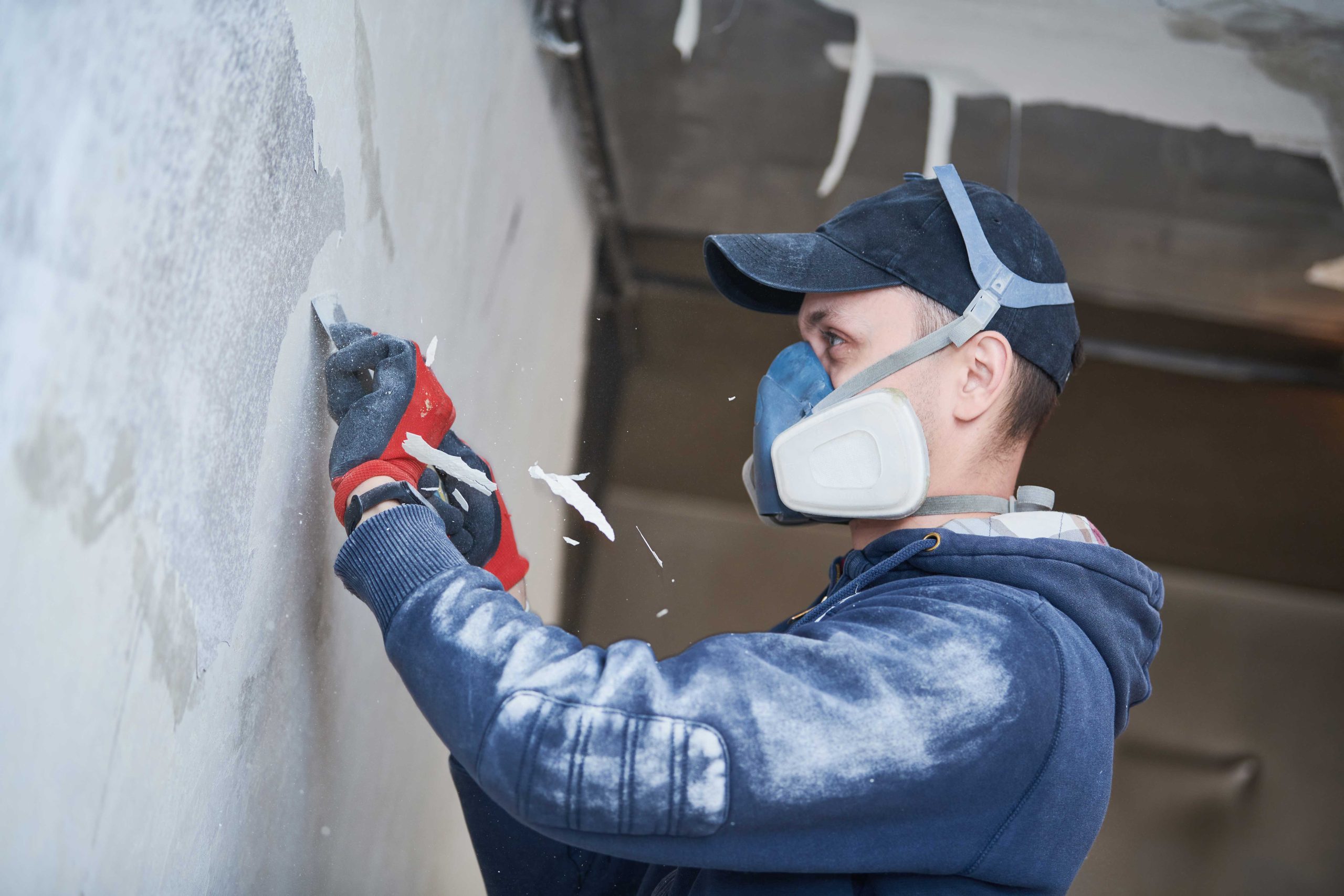
Prioritizing safety immediately following a fire is crucial. Before entering the property, ensure it has been cleared by fire authorities and is structurally sound. Wear protective gear, including masks and gloves, to avoid inhaling harmful particles and touching contaminated surfaces. Document the damage with photos and videos for insurance purposes. Contact your insurance provider to initiate the claims process and understand your coverage.
Detailed Damage Assessment
A comprehensive assessment is essential to determine the full extent of the damage. This evaluation should include structural components, electrical systems, plumbing, and personal belongings. Smoke and soot can penetrate deep into building materials, causing hidden damage that may require specialized detection equipment. Identifying all affected areas ensures that restoration efforts are targeted and effective.
Water Removal and Drying
Fire suppression efforts often result in significant water damage. Standing water can lead to mold growth and further structural deterioration. Prompt water extraction and thorough drying are critical to prevent these secondary issues. Professional restoration teams use industrial-grade equipment to remove water quickly and efficiently, followed by dehumidification to reduce moisture levels. Monitoring moisture content in walls, floors, and ceilings ensures complete drying and prevents future problems.
Smoke and Soot Removal
Smoke and soot particles are extremely pervasive and can cause significant health problems. Effective smoke odor removal requires specialized techniques and equipment. This involves cleaning all surfaces, including walls, ceilings, and floors, using appropriate cleaning agents and methods. Items that cannot be effectively cleaned may need to be disposed of. Air scrubbers and filtration systems are used to remove airborne particles and odors, creating a cleaner and healthier environment.
Structural Repairs and Reconstruction
Fire-related structural damage can range from minor to severe, depending on the intensity and duration of the fire. Repairing or replacing damaged structural components is vital to ensure the safety and stability of the property. This may include rebuilding walls, repairing roofs, and reinforcing foundations. Compliance with building codes and safety regulations is paramount during the reconstruction process. Professional contractors ensure that all repairs are completed to the highest standards.
Content Restoration
Restoring personal belongings affected by fire damage requires careful handling and specialized cleaning techniques. Soft items like clothing and upholstery may require professional laundering or dry cleaning to remove smoke and soot. Hard items such as furniture and electronics need thorough cleaning and disinfection. Items that are irreplaceable or of high sentimental value should be given special attention during the restoration process. Proper documentation and inventory of all restored items are essential for insurance claims.
Odor Control and Air Purification
Lingering odors from smoke and fire can be a persistent problem. Effective odor control involves neutralizing odor molecules rather than simply masking them. Thermal fogging, ozone treatments, and hydroxyl generators are some of the methods used to eliminate odors at their source. Air purification systems with HEPA filters can further improve indoor air quality by removing remaining particles and contaminants. Ensuring a fresh and odor-free environment is a key component of complete fire damage restoration.
Final Inspection and Quality Assurance
A final inspection is crucial to ensure that all restoration work has been completed to the required standards. This inspection should include a thorough review of all repaired areas, cleaned surfaces, and restored items. Addressing any remaining issues promptly ensures customer satisfaction and the long-term integrity of the property. Following a detailed checklist and involving the property owner in the final inspection can help identify and resolve any outstanding concerns.
Preventative Measures
Taking preventative measures can significantly reduce the risk of future fires. Installing smoke detectors on every level of the property and testing them regularly is essential. Developing and practicing a fire escape plan ensures that all occupants know how to evacuate safely in the event of a fire. Regularly inspecting and maintaining electrical systems, heating equipment, and appliances can prevent many common causes of fires. Storing flammable materials properly and avoiding unattended cooking can further reduce fire hazards. These proactive steps can help protect your property and loved ones from the devastating effects of fire.
Get your local fire damage restoration estimate!
Understanding Fire Damage and Emergency Cleanup
Experiencing a fire can be one of the most devastating events a property owner can face. Beyond the immediate danger of the flames, the aftermath presents a complex array of challenges. Understanding the nature of fire damage and the importance of immediate, professional cleanup is critical to protecting your health, safety, and property value.
The Multifaceted Impact of Fire
Fire damage extends far beyond what is visible to the naked eye. The intense heat and flames cause immediate destruction, but the subsequent effects of smoke, soot, and water used to extinguish the fire can be equally damaging. Here’s a breakdown of the common types of fire damage:
- Structural Damage: Weakened walls, ceilings, and flooring can pose significant safety risks.
- Smoke and Soot Contamination: These residues penetrate porous surfaces, leading to lingering odors and health hazards.
- Water Damage: Fire hoses and sprinkler systems introduce large volumes of water, creating conditions ripe for mold growth and further structural deterioration.
- Corrosion: Smoke and soot contain corrosive chemicals that can damage metal surfaces, electronics, and appliances.
- Health Hazards: Exposure to smoke, soot, and mold can trigger respiratory problems, allergic reactions, and other health issues.
The Urgency of Emergency Fire Cleanup
Prompt action is essential in mitigating the long-term effects of fire damage. The longer you wait to address the problem, the more extensive and costly the damage becomes. Here’s why immediate emergency fire cleanup is vital:
- Minimizing Further Damage: Addressing water damage quickly prevents mold growth and structural decay. Soot removal before it settles prevents permanent staining and corrosion.
- Protecting Your Health: Removing hazardous materials and contaminants reduces the risk of respiratory problems and other health issues.
- Salvaging Possessions: The sooner cleanup begins, the greater the chance of restoring valuable belongings and sentimental items.
- Preventing Odor Problems: Professional cleaning and deodorization eliminate lingering smoke odors, creating a more livable environment.
- Streamlining Insurance Claims: Documenting the damage and initiating cleanup promptly can expedite the insurance claims process.
The Emergency Fire Cleanup Process
A comprehensive emergency fire cleanup involves a systematic approach to assess, contain, and restore your property. Here’s a typical outline of the steps involved:
- Safety Assessment and Inspection: Determining the structural integrity of the property and identifying potential hazards.
- Board-Up and Tarping: Securing the property to prevent further damage from the elements or vandalism.
- Water Extraction: Removing standing water and drying affected areas to prevent mold growth.
- Soot and Smoke Removal: Cleaning and sanitizing surfaces to eliminate soot and smoke residue.
- Deodorization: Using specialized equipment and techniques to neutralize lingering smoke odors.
- Content Cleaning and Restoration: Cleaning and restoring salvageable personal belongings.
- Structural Repairs: Repairing or rebuilding damaged structural elements.
The Importance of Professional Fire Damage Restoration Services
While some minor cleanup tasks can be handled independently, it’s crucial to enlist the services of qualified professionals for comprehensive fire damage restoration. Certified technicians possess the expertise, equipment, and training to address the complexities of fire damage effectively and safely. Here’s why professional help is essential:
- Specialized Knowledge: Understanding the unique properties of smoke, soot, and other fire-related contaminants.
- Advanced Equipment: Utilizing professional-grade cleaning agents, air scrubbers, and drying equipment.
- Safety Protocols: Adhering to strict safety procedures to protect themselves and occupants from hazardous materials.
- Thorough Assessment: Conducting detailed inspections to identify hidden damage and potential problems.
- Efficient Restoration: Completing the cleanup and restoration process quickly and effectively to minimize disruption.
Navigating the Aftermath: What to Do Immediately After a Fire
In the chaotic aftermath of a fire, knowing the right steps to take can make a significant difference. Prioritize safety and contact the appropriate authorities before taking any further action. Here’s a checklist of immediate steps:
- Ensure Safety: Evacuate the property and ensure everyone is accounted for. Do not re-enter until authorized by fire officials.
- Contact Authorities: Call 911 to report the fire and request assistance.
- Contact Your Insurance Company: Notify your insurance provider to begin the claims process.
- Document the Damage: Take photos and videos of the damage for insurance purposes.
- Secure the Property: Board up windows and doors to prevent further damage or theft.
- Avoid Touching or Using Contaminated Items: Limit exposure to smoke and soot to prevent health problems.
Conclusion: Restoring Your Property and Peace of Mind
Fire damage can be overwhelming, but with the right knowledge and prompt action, you can effectively mitigate the impact and begin the restoration process. Understanding the multifaceted nature of fire damage, prioritizing emergency fire cleanup, and enlisting the expertise of qualified professionals are key steps to restoring your property and regaining peace of mind. Remember, acting quickly and decisively is crucial to minimizing the long-term effects of a fire and ensuring a safe and healthy recovery.